

European viticulture began 2025 with ominous signs of another critical year—the third consecutive challenging season. However, as we approach the end of the most vulnerable growing period, this vintage has proven more promising than anticipated. Organic vine-growers, winemakers, and consumers may finally see satisfactory results, though exceptions remain as always.
The multiple challenges
The changing climate of last decades challenged organic viticulture across multiple dimensions, with impact varying by region and year:
- Water availability, often too little, sometimes too much. Water availability presents a complex paradox—often too little, sometimes catastrophically too much. While extreme water deficiency affects several regions, the primary concern for most organic growers is the fundamental shift in precipitation patterns and their increasing unpredictability; weather pattern changes create ideal conditions for pathogens, which adapt more rapidly than plants themselves. Managing established threats like downy mildew becomes increasingly complicated, while new pests and diseases emerge as formidable challenges. The cotton leafhopper (Jacobiasca lybica) and Pierce’s disease exemplify how climate shifts introduce previously unknown threats to European viticulture;
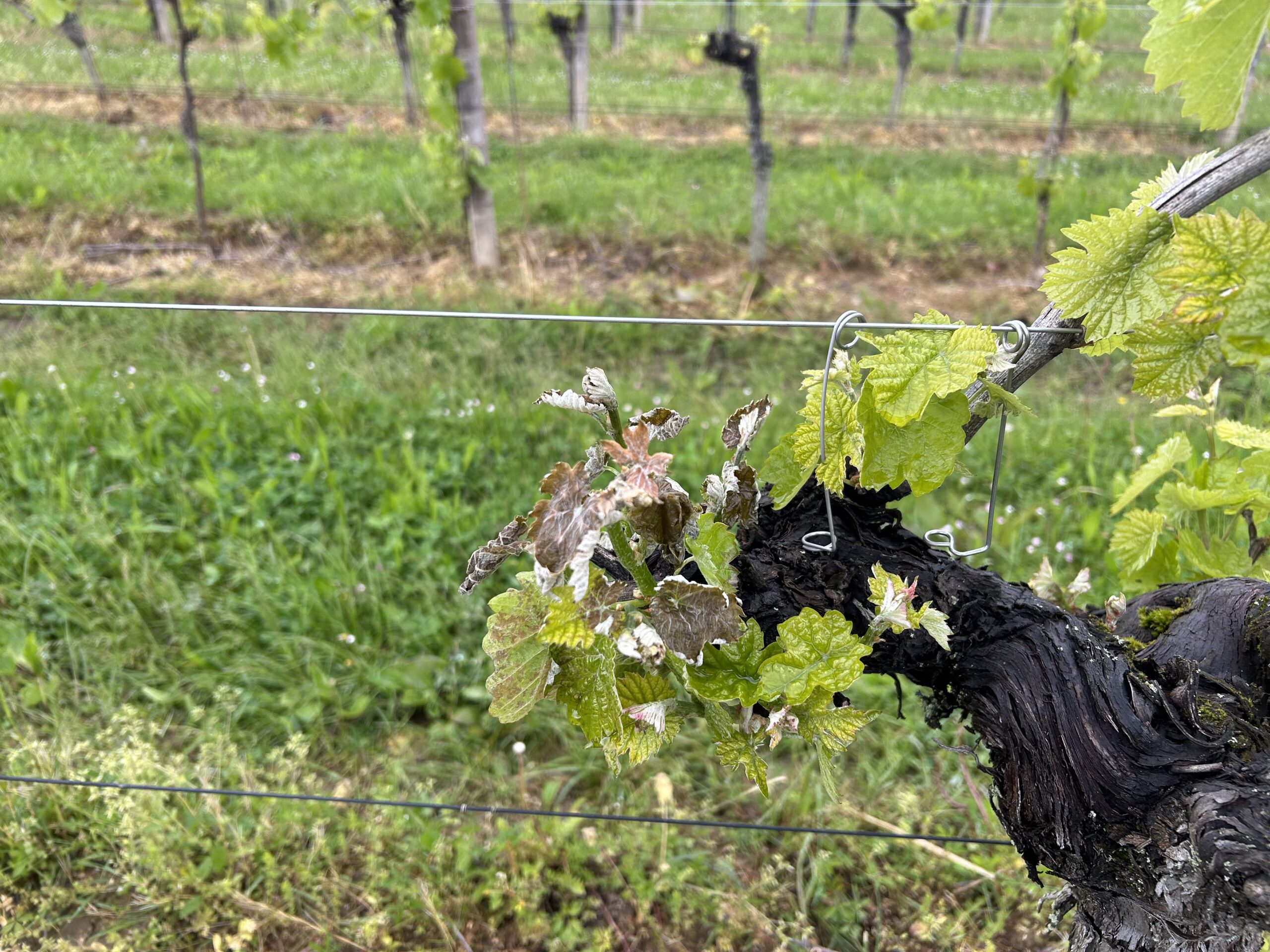
- More frequent extreme weather events, like hail, short heavy rainfalls that enhance the risk of erosion and the occurrence of damages due to late frost. As a matter of fact, the occurrence of late frost events did not change, while what changed are the average temperatures in late winter and early spring, that trigger earlier vine awakening, leaving plants vulnerable to traditional seasonal cold snaps;
- Too hot to (good) wine! Heat waves impact the physiology of grapevines, often slashing yield. Even more insidious are sustained increases in daily temperatures and persistently high nighttime temperatures during extended periods. This thermal stress presents growers with an impossible choice at harvest: accept unbalanced wines with excessive alcohol content, or sacrifice the complex flavors that define quality wine. The decision of when to harvest becomes a puzzle with no perfect solution.
Same challenges, different perspectives
Conventional and organic vine-growers face identical climate challenges. While conventional operations may appear better equipped for certain issues—particularly disease management with synthetic fungicides—the organic approach often provides comprehensive, long-lasting solutions that address multiple challenges simultaneously.
This advantage is exemplified by our Friuli hub farmers, who demonstrate the resilience potential of organic systems. Their focus on soil and habitat restoration creates more robust vineyards where:
- organic matter content increases steadily;
- soil coverage protects against erosion and temperature extremes;
- hedgerows and trees provide shelter for biodiversity and improves microclimates, as buffer against weather extremes;
- modern technology integrates seamlessly with natural systems.


